
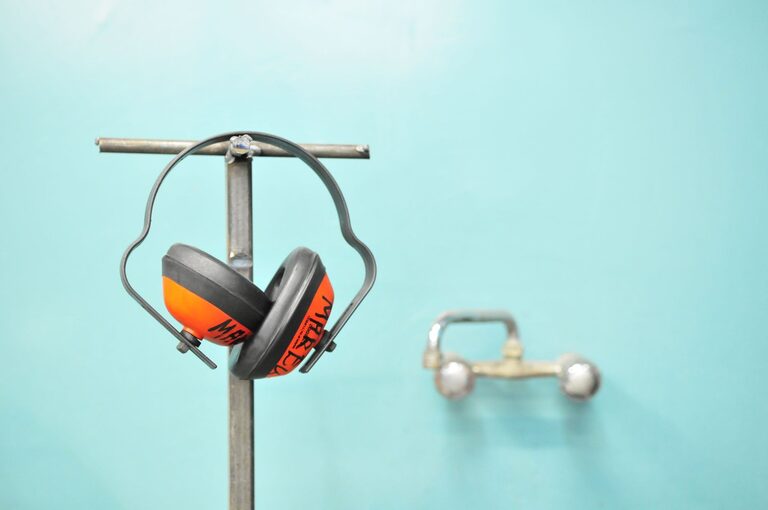

Living in a noisy home can be stressful and disruptive, affecting your ability to relax, concentrate, and enjoy your personal space. Fortunately, there are simple and affordable ways to reduce noise inside your home without major renovations. Whether it’s loud neighbors, street sounds, or noisy appliances, taking steps to control noise can improve your comfort and well-being.
In this post, we’ll explore practical ways to reduce noise at home, including soundproofing tips, layout adjustments, and lifestyle habits. These solutions work for various living situations, from apartments to houses, and can be adapted to fit your budget and style.
Understanding Noise in the Home
Noise at home comes from many sources, such as:
– Traffic and outside street noise
– Loud neighbors or shared walls in apartments
– Household appliances like washing machines or air conditioners
– Televisions, music, and other entertainment devices
– Footsteps and voices from other rooms
Sometimes, the structure of your home can amplify noise. Hard surfaces like tile floors and bare walls reflect sound, increasing overall noise levels. Recognizing the sources and how sound travels helps you choose the best ways to reduce it.
Simple Ways to Reduce Noise at Home
1. Add Soft Furnishings to Absorb Sound
Soft materials absorb sound waves rather than reflecting them. Introducing these items can reduce echo and limit noise transmission:
– Rugs and Carpets: Place area rugs, especially on hard floors, to muffle footsteps and other sounds.
– Curtains and Drapes: Heavy or layered curtains on windows can block outside noises.
– Cushions and Upholstery: Use fabric-covered furniture and add cushions to create softer surfaces.
2. Seal Gaps and Cracks
Sound can travel through small openings, such as around doors, windows, and electrical outlets. Sealing these helps block noise:
– Weatherstripping: Apply weatherstripping around doors and windows to close gaps.
– Door Sweeps: Attach door sweeps to the bottom of doors to prevent sound leaks.
– Caulking: Use caulk to fill in cracks or gaps in walls and around window frames.
3. Rearrange Furniture Strategically
Furniture placement can help reduce noise by creating barriers:
– Bookshelves: Position full bookshelves against shared walls to add mass and absorb sound.
– Sofas and Chairs: Place seating away from noisy areas or near walls that face noisy neighbors.
– Room Dividers: Use screens or room dividers to separate noisy zones within open spaces.
4. Use Sound-Absorbing Panels or Wall Art
Specialized sound-absorbing panels are designed to reduce noise and improve room acoustics. If you prefer a decorative touch:
– Choose fabric-covered or foam panels that can be mounted on walls.
– Consider textile wall hangings, tapestries, or even canvas art that adds softness.
– Cork boards and acoustic tiles also help dampen sound waves.
5. Maintain Appliances and Use Quiet Models
Appliances can be a significant noise source. To limit this:
– Regularly clean and maintain appliances like HVAC systems and washing machines to ensure quiet operation.
– Consider upgrading to newer, quieter models labeled as energy-efficient or noise-reducing.
– Use appliances during less sensitive times or in rooms farther from main living areas.
6. Incorporate White Noise or Sound Machines
While it might seem counterintuitive, adding a consistent low-level sound can mask disruptive noises:
– Use white noise machines in bedrooms to improve sleep quality.
– Fans or humidifiers can provide a gentle background hum.
– Apps offering nature sounds or calming music can also help mask sudden noises.
7. Improve Window Insulation
Windows are common weak points for noise entry:
– Install double- or triple-pane windows if possible.
– Add window inserts that create an extra layer of sound insulation.
– Use heavy blinds or layered curtains to further dampen sound.
8. Create Quiet Zones
Designate and organize parts of your home as quiet zones:
– Pick rooms or corners for reading, meditation, or work.
– Use soft furnishing and noise-reducing décor in these spaces.
– Set household guidelines about noise levels during specific times.
Lifestyle Habits to Support a Quieter Home
Beyond physical changes, simple habits can make a difference:
– Encourage family members and roommates to keep noise down, especially during early mornings or late nights.
– Use headphones when enjoying music or videos.
– Limit the volume of TVs and speakers.
– Be mindful of loud activities like vacuuming during neighbors’ rest hours.
Conclusion
Reducing noise at home doesn’t require a full remodel or expensive soundproofing. By adding soft furnishings, sealing gaps, rearranging furniture, and maintaining appliances, you can significantly lower noise levels. Combining these physical changes with thoughtful habits creates a more peaceful and comfortable living space for everyone.
With a quieter home environment, your daily activities, rest, and relaxation can improve, helping your overall well-being. Start with small, manageable steps and enjoy the calm that comes from a quieter home.