
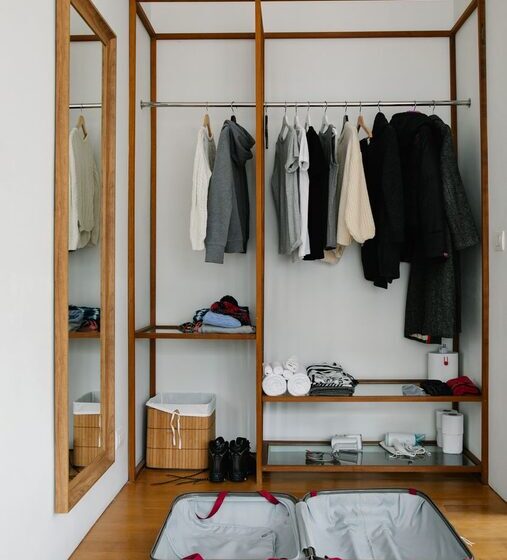

Storing seasonal clothes efficiently is a great way to keep your home organized and your wardrobe in top condition. When the weather changes, swapping out your clothes can feel overwhelming without a good system in place. Whether you’re packing away winter sweaters or summer dresses, proper storage helps protect your garments, saves space, and makes it easier to find what you need when the season returns. Here’s a detailed guide to help you store your seasonal clothes efficiently.
Why Efficient Seasonal Storage Matters
Storing seasonal clothes isn’t just about putting them away; it’s about preserving their quality and keeping your closet manageable. Clothes that aren’t stored well can become wrinkled, dusty, or even damaged by pests like moths. Efficient storage also frees up closet space, making it easier to access the clothes you wear now.
Preparing Your Clothes for Storage
Clean Everything First
Before packing your clothes away, make sure they are clean. Dirt, sweat, and stains can attract insects or cause discoloration over time. Wash or dry clean your items according to the care labels. Ensure clothes are completely dry before storing to prevent mold or mildew.
Repair and Sort
Check for loose buttons, broken zippers, or small tears and mend them. Sort your clothes into categories like tops, bottoms, outerwear, and accessories. This step will make it easier to pack and find items later.
Choosing the Right Storage Solutions
Use Breathable Containers
Plastic bins are popular but choose ones with ventilation if possible. Breathable garment bags, fabric storage boxes, or cotton storage bags protect clothes from dust while allowing airflow to prevent moisture buildup.
Avoid Vacuum-Sealing for Delicate Fabrics
Vacuum-sealing can save space but may crush delicate fabrics like wool or silk, damaging their fibers. Use vacuum bags only for thick items like down jackets or heavy blankets.
Clear Containers for Visibility
Transparent storage bins are helpful because you can see what’s inside without opening them. Labeling containers with the contents or season also speeds up the process when retrieving clothes.
Organizing Seasonal Clothes for Easy Access
Fold or Hang Based on Fabric Type
– Fold knitwear and heavy sweaters to prevent stretching.
– Hang dresses, blouses, and coats on padded or wooden hangers to maintain shape.
For hanging items, consider garment bags for extra protection.
Use Dividers and Shelf Organizers
Drawer dividers and shelf organizers can keep clothes neat in storage bins or closets. They prevent items from mixing and minimize wrinkles.
Store Accessories Separately
Scarves, hats, and gloves can go in smaller boxes or zippered pouches within the main storage container. Using clear bags lets you spot them quickly.
Protecting Clothes from Pests and Damage
Natural Repellents
Use cedar blocks, lavender sachets, or dried herbs inside your storage bins to keep moths and insects away naturally. Avoid using harsh chemical mothballs if possible, as they have a strong odor and can be harmful.
Keep Storage Area Clean and Dry
Store clothes in a cool, dry place away from direct sunlight. Avoid damp basements or hot attics. Good air circulation helps prevent mold and mildew.
Maximizing Space in Your Home
Utilize Under-Bed Storage
Flat, rolling bins fit nicely under beds and are perfect for seasonal clothes. They’re convenient and make good use of often overlooked space.
Over-the-Door Organizers
These can store lightweight items like scarves and gloves without taking up closet space.
Stackable Bins and Shelving
Stack bins vertically in your closet or storage room to use vertical space efficiently. Sturdy shelving units help keep bins organized and off the floor.
Tips for Seasonal Swaps
– Rotate clothes monthly: If you live in an area with mild seasons, consider rotating your clothes every few weeks rather than twice a year.
– Inventory your wardrobe: Keep a list or take photos of stored items to avoid buying duplicates and help you remember what you have.
– Declutter regularly: Use the seasonal swap as an opportunity to donate or recycle clothes you no longer wear.
Conclusion
Efficiently storing your seasonal clothes is all about preparation, smart storage choices, and regular maintenance. By cleaning, organizing, choosing the right containers, and protecting your clothes from damage, you’ll keep your wardrobe fresh and ready for each season. With these tips, you can save space in your home and enjoy a clutter-free closet year-round. Happy organizing!